
Addiction Isn't a Willpower Problem: What Counseling Actually Looks Like

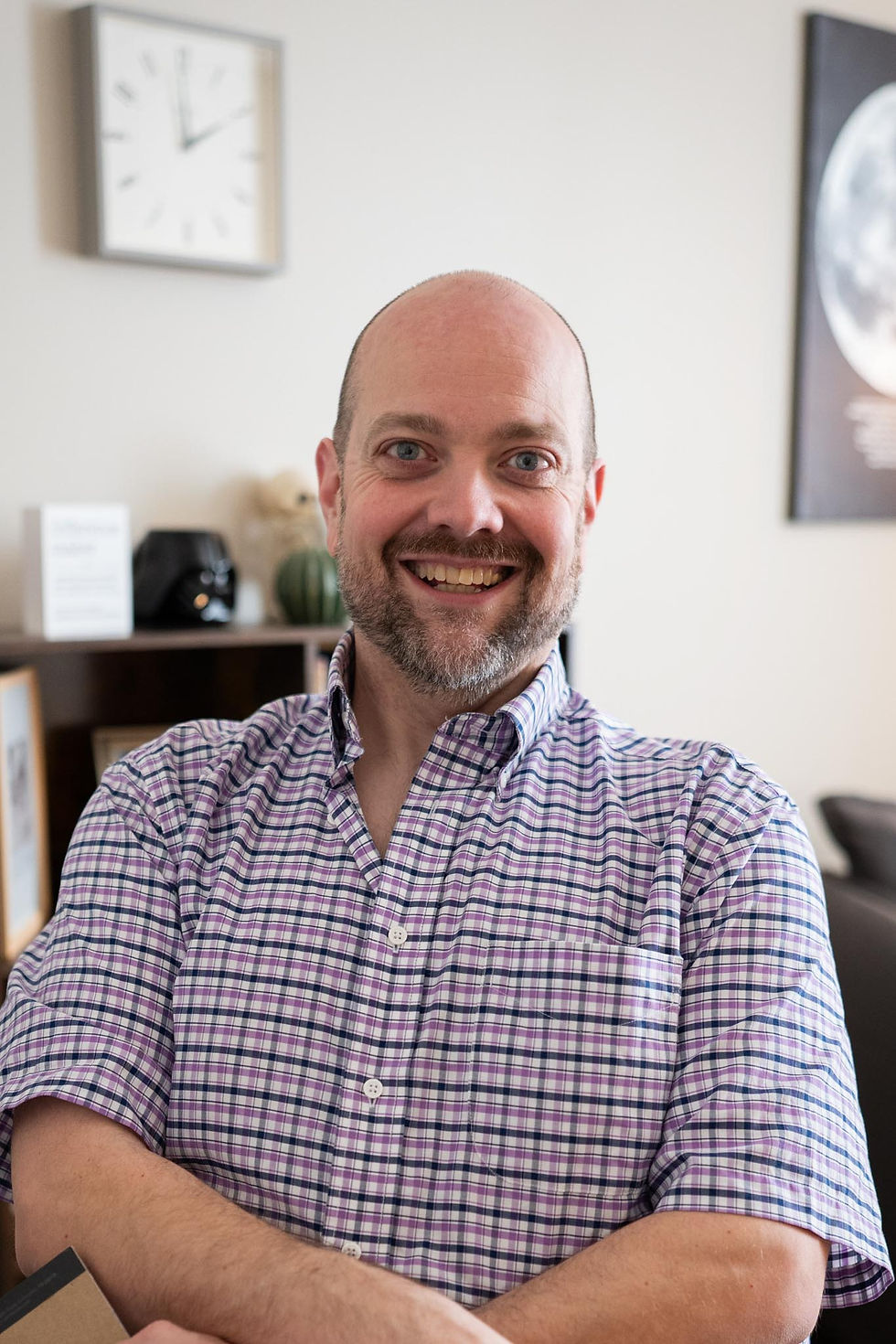
I've been working with people dealing with addiction for a long time. And one of the first things I try to do when someone sits down with me is get rid of the idea that they're here because they're weak.
That's usually what people think. That if they just wanted it badly enough, they could stop. That other people manage to hold it together, so why can't they. That needing help is evidence of some fundamental failure.
It isn't. And spending the first part of therapy untangling that belief is some of the most important work we do.
What Addiction Actually Is
Addiction is what happens when a behavior or a substance starts solving a problem so effectively that your brain decides it can't do without it. That's it. That's the mechanism. It doesn't require a character flaw to get there. It doesn't require a traumatic childhood or a particularly bad run of luck. It requires a brain doing exactly what brains are designed to do, which is find things that work and hold onto them.
The problem is that what works in the short term often costs you something in the long term. And by the time you start to feel that cost, the pattern is already pretty well established. Willpower isn't the solution to that. Understanding it is.
Some Signs Worth Paying Attention To
You don't need a diagnosis to know something feels off. Here are some things people often notice before they ever use the word addiction.
You've tried to cut back or stop, and it was harder than you expected.
You find yourself thinking about it more than you'd like to.
You've made promises to yourself that didn't stick.
It's starting to affect your sleep, your mood, or your relationships, even if just a little.
You've started organizing your time or your day around it without really meaning to.
You feel better when you have it and worse when you don't.
You're reading this and something on this list is hitting a little close to home.
None of these mean you're broken. They mean something in your life has gotten louder than you want it to be. That's worth talking about.
The Things People Don't Say Out Loud
In my experience, most people who come in for addiction counseling aren't there because of the thing itself. They're there because of what the thing is doing to the rest of their life. The relationship that's getting strained. The work that's starting to slip. The version of themselves they used to be that feels harder and harder to get back to. The way they've started organizing their day around something they swore they'd have under control by now.
Those are the things that bring people in. And those are exactly the right things to be paying attention to.
I'm not interested in labeling what someone is going through before I understand it. I'm interested in what's actually happening in their life, what the pattern is connected to, what it's been solving, and what it's costing them. That's where the real work starts.
What Counseling Actually Looks Like
People sometimes expect addiction counseling to look like a confrontation. Someone telling them what they need to do and when they need to do it. That's not how I work.
My job isn't to tell you what to decide about your life. My job is to help you see it more clearly so you can make that decision for yourself.
Some people come in ready to stop entirely. Some people come in wanting to understand whether they have a problem at all. Some people come in somewhere in the middle, not sure what they want but knowing something has to change. All of those are valid starting points. We work from wherever you actually are, not from where I think you should be.
Sessions are a conversation. We look at what's going on, how the pattern developed, what it's connected to, and what your life looks like when it has less power over you. We build on that week over week. It's not dramatic. It's not a performance. It's just honest, consistent work with someone who's been doing this for a long time and isn't going to flinch at whatever you bring in.
You Don't Have to Have Decided Anything Yet
If you're reading this and wondering whether what you're dealing with is serious enough to get help for, that question itself is worth paying attention to. You don't have to have a label for it. You don't have to have hit a wall. You don't have to have made a decision about what you want to do. You just have to be willing to talk about it. That's where it starts.
If you're in the Kernersville area or anywhere in the Piedmont Triad, I have immediate availability for new clients. Call JPB Counseling at 336-496-8027 or use the contact form to set up a free consultation.
John Adkins is a Licensed Clinical Mental Health Counselor and Licensed Clinical Addictions Specialist at JPB Counseling in Kernersville, NC. He works with adults 18 and up dealing with substance use, behavioral addictions, trauma, and the tangled patterns that don't always fit a neat category. JPB Counseling accepts BCBS, UnitedHealthcare, Aetna, and Medcost. We do not accept Medicaid or Medicare.


Comments